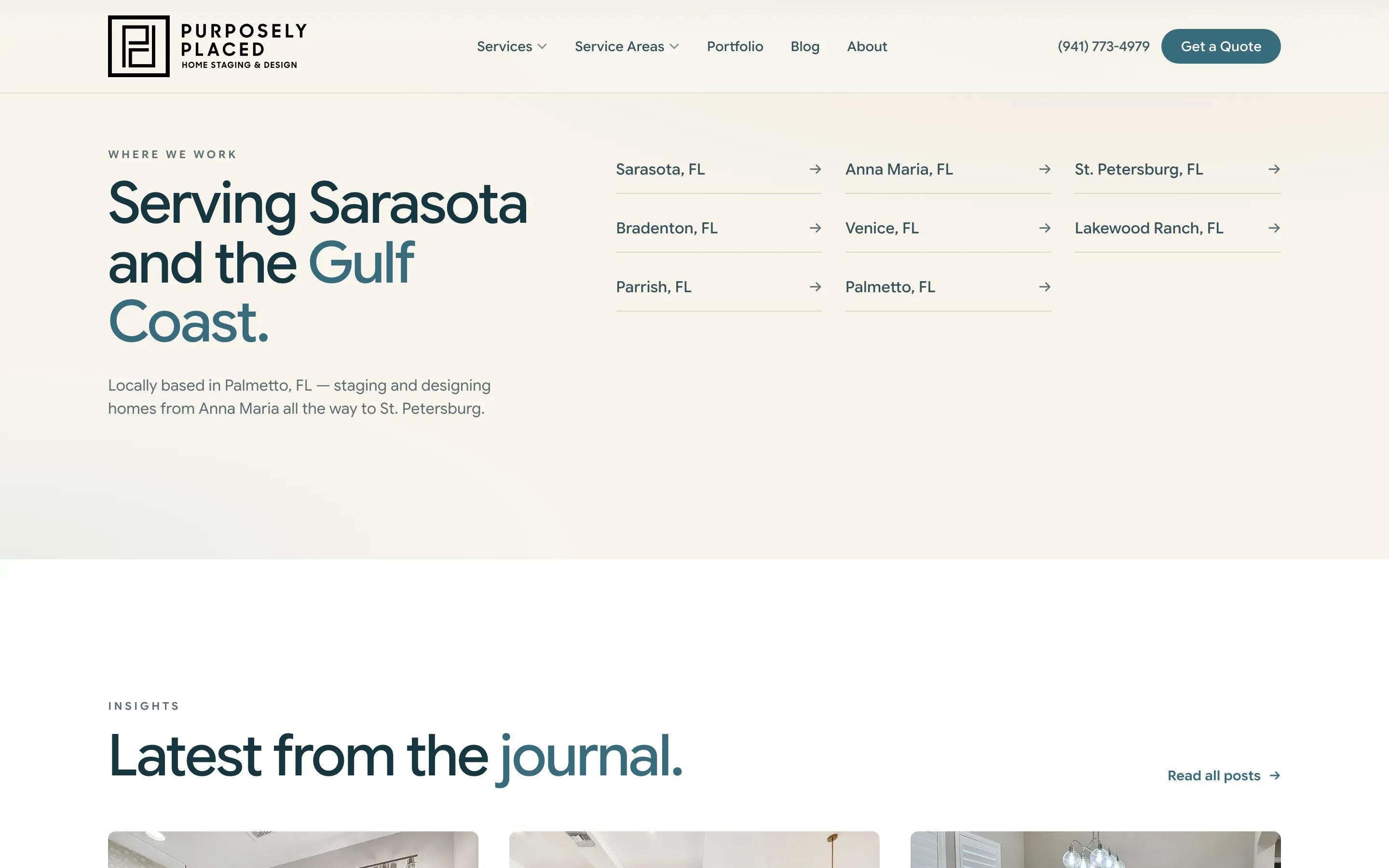
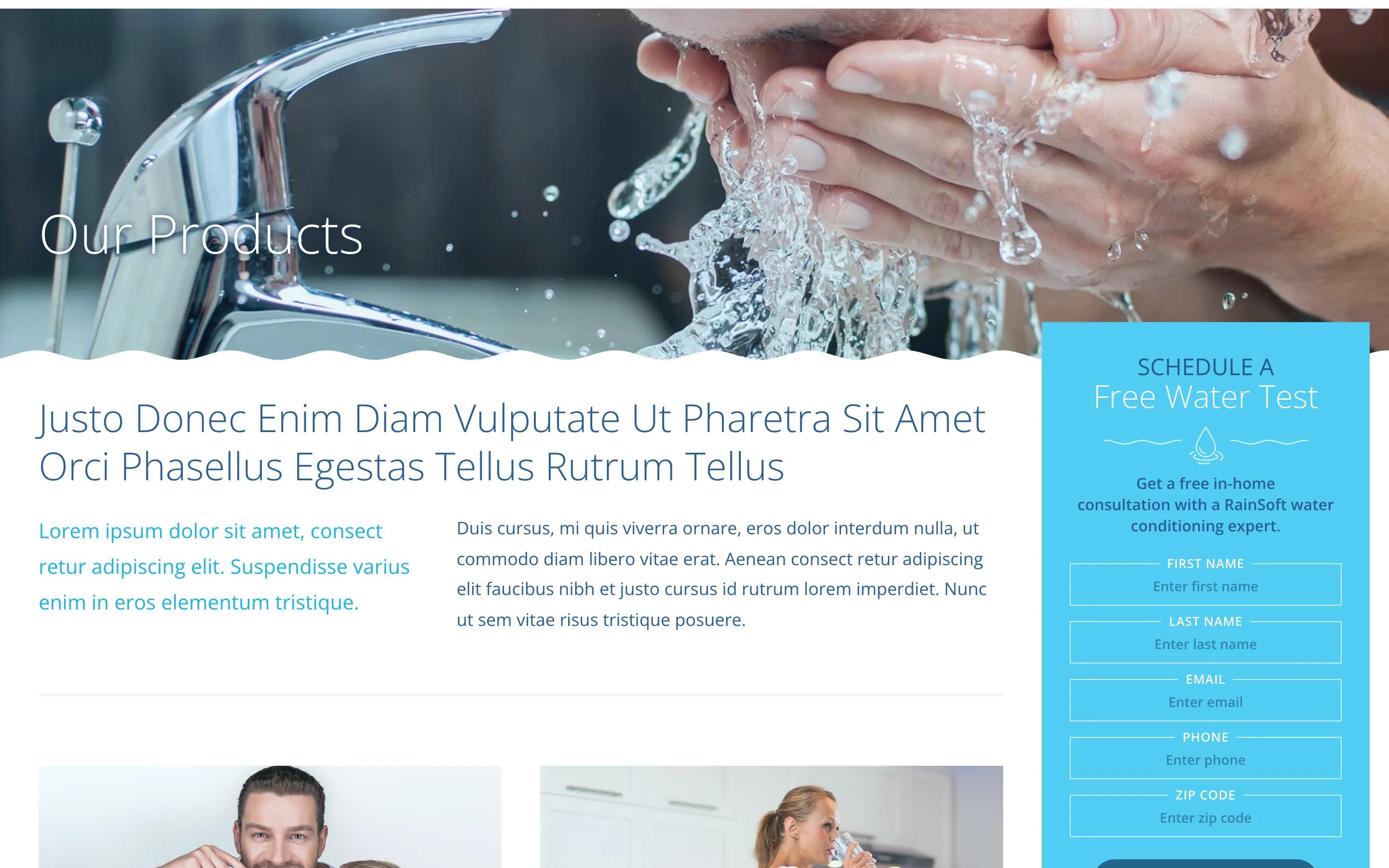
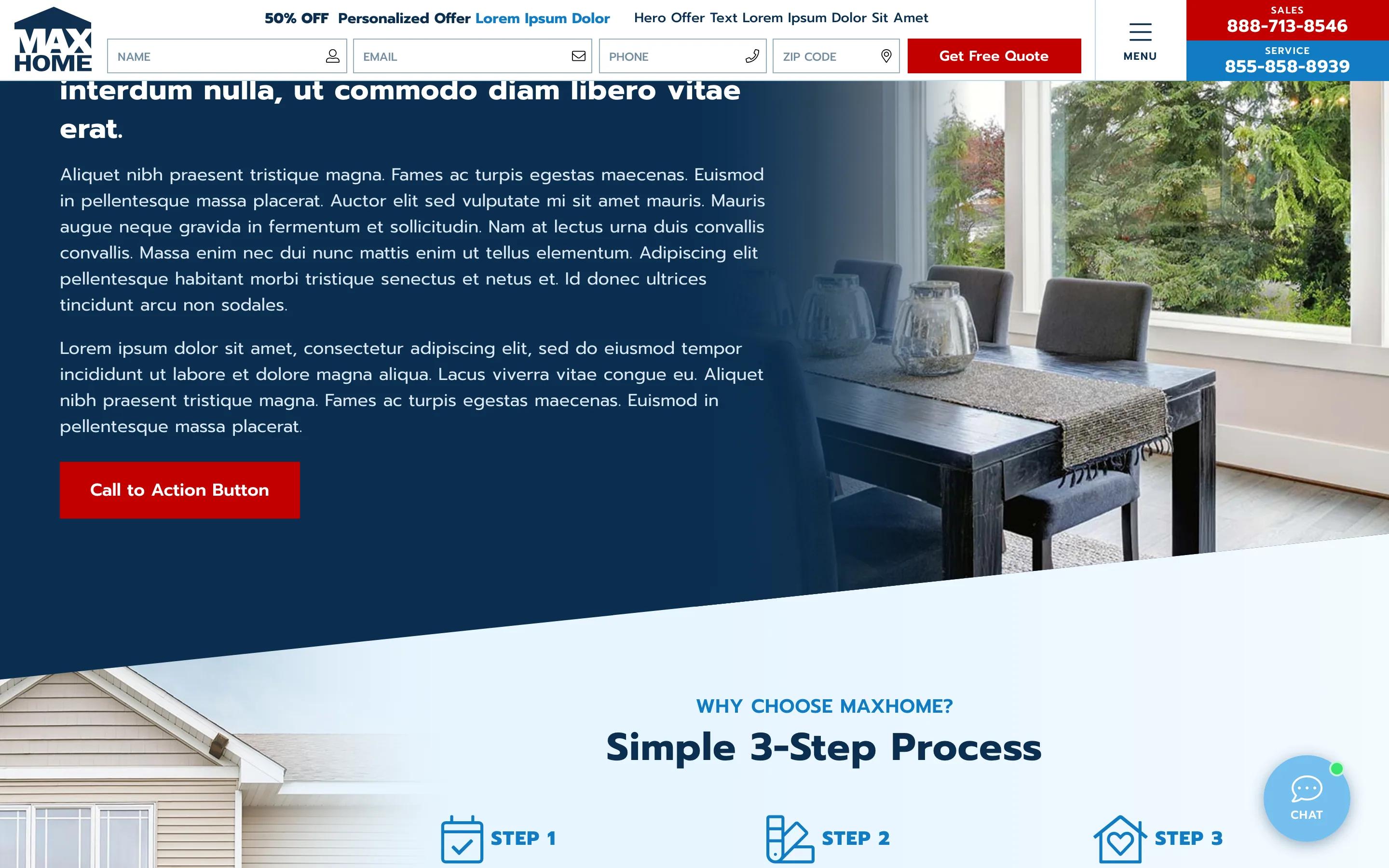
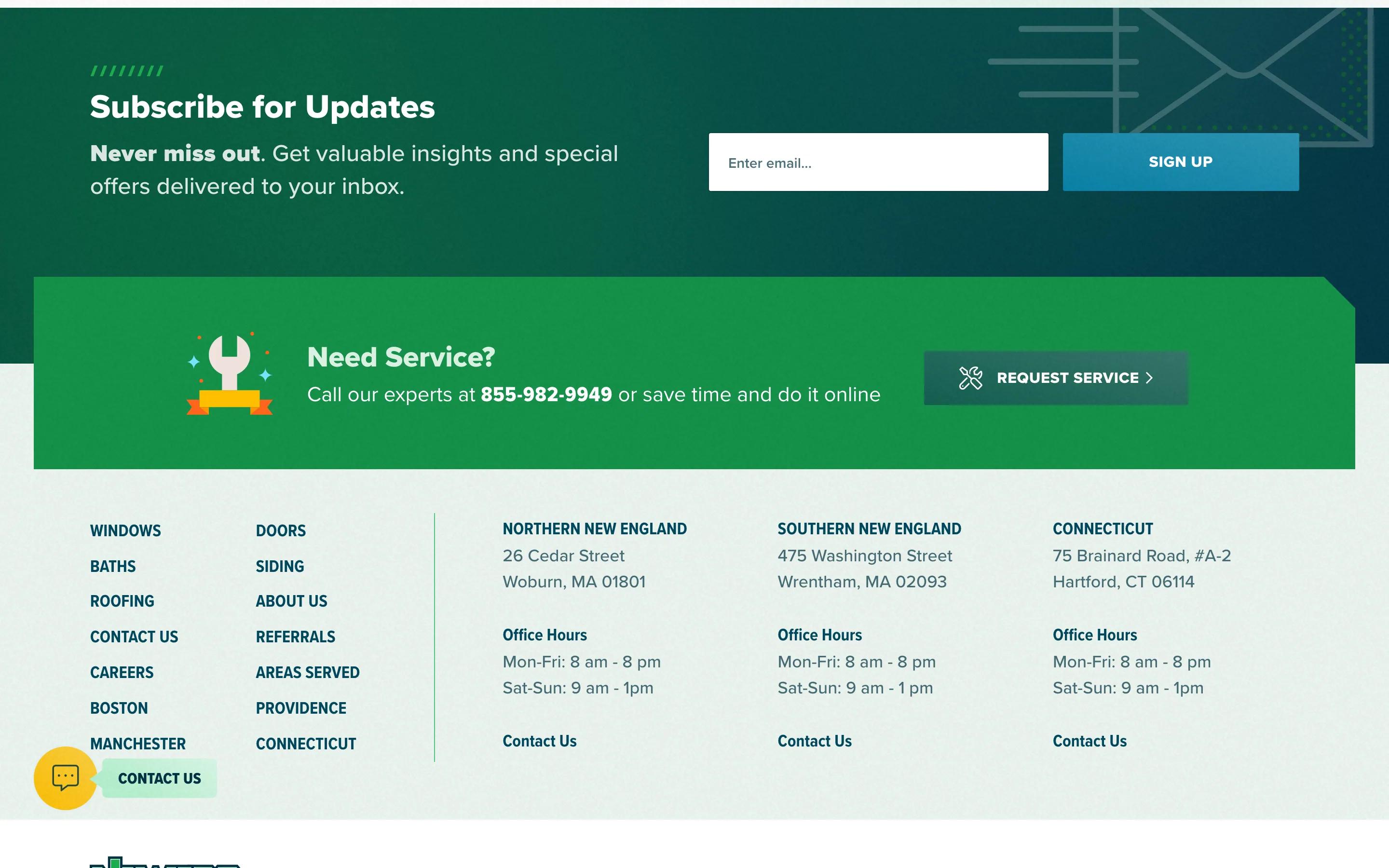
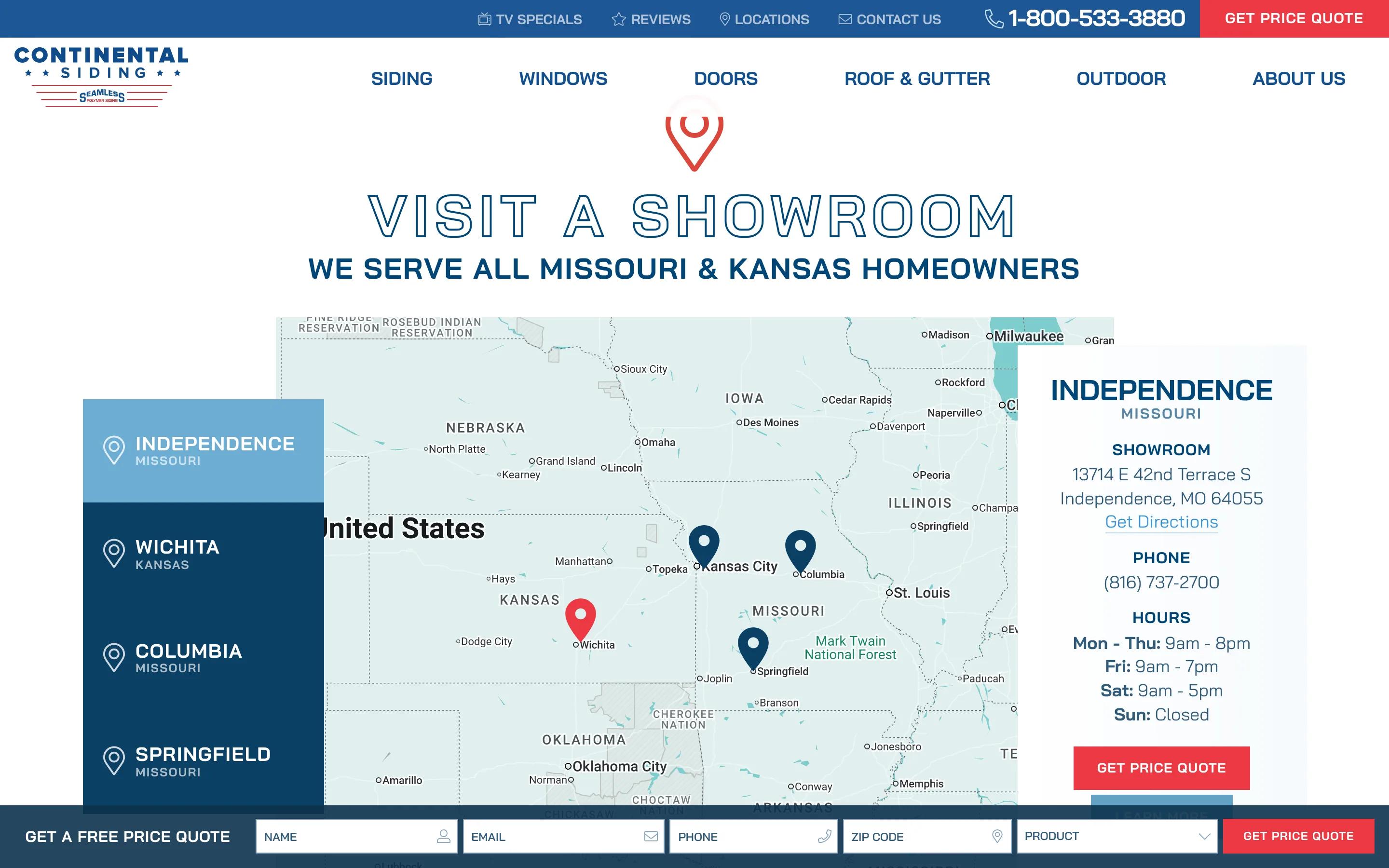
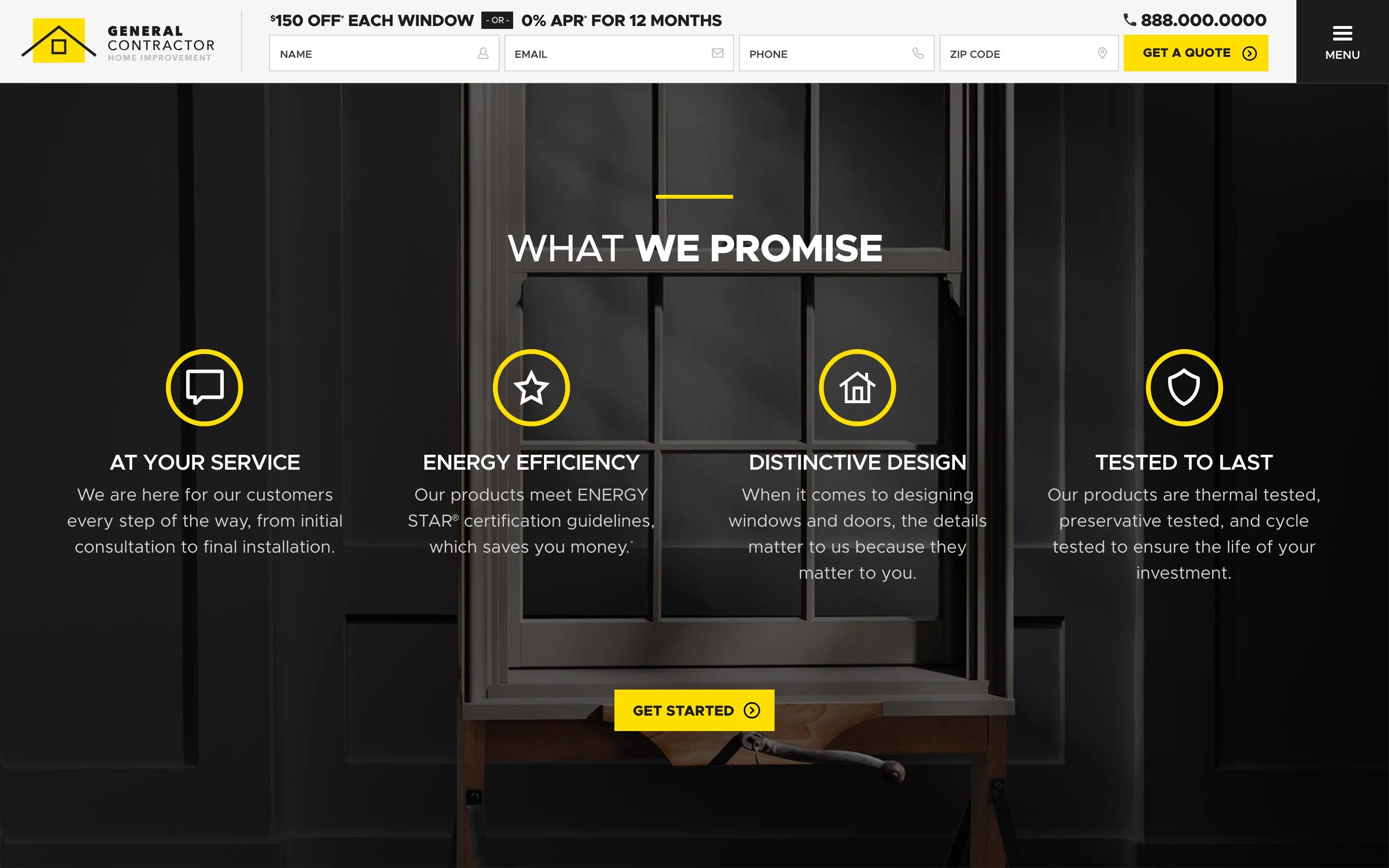
Home improvement — windows, doors, siding, decks, gutters — is where the playbook agencies built their templated empires. The in-home consultation model, the finance-driven purchase, the long-ish sales cycle (4-12 weeks from first inquiry to install), and the high ticket size ($8K-$80K+) all add up to a vertical where marketing automation pays off massively. I worked at the agencies that built templated platforms for Pella, Renewal by Andersen, Sunrise Windows, NEWPRO. I know exactly what's being sold to home improvement contractors at agency tier.
What home improvement marketing needs
- Lead-form architecture optimized for in-home appointment booking, not project quotes.
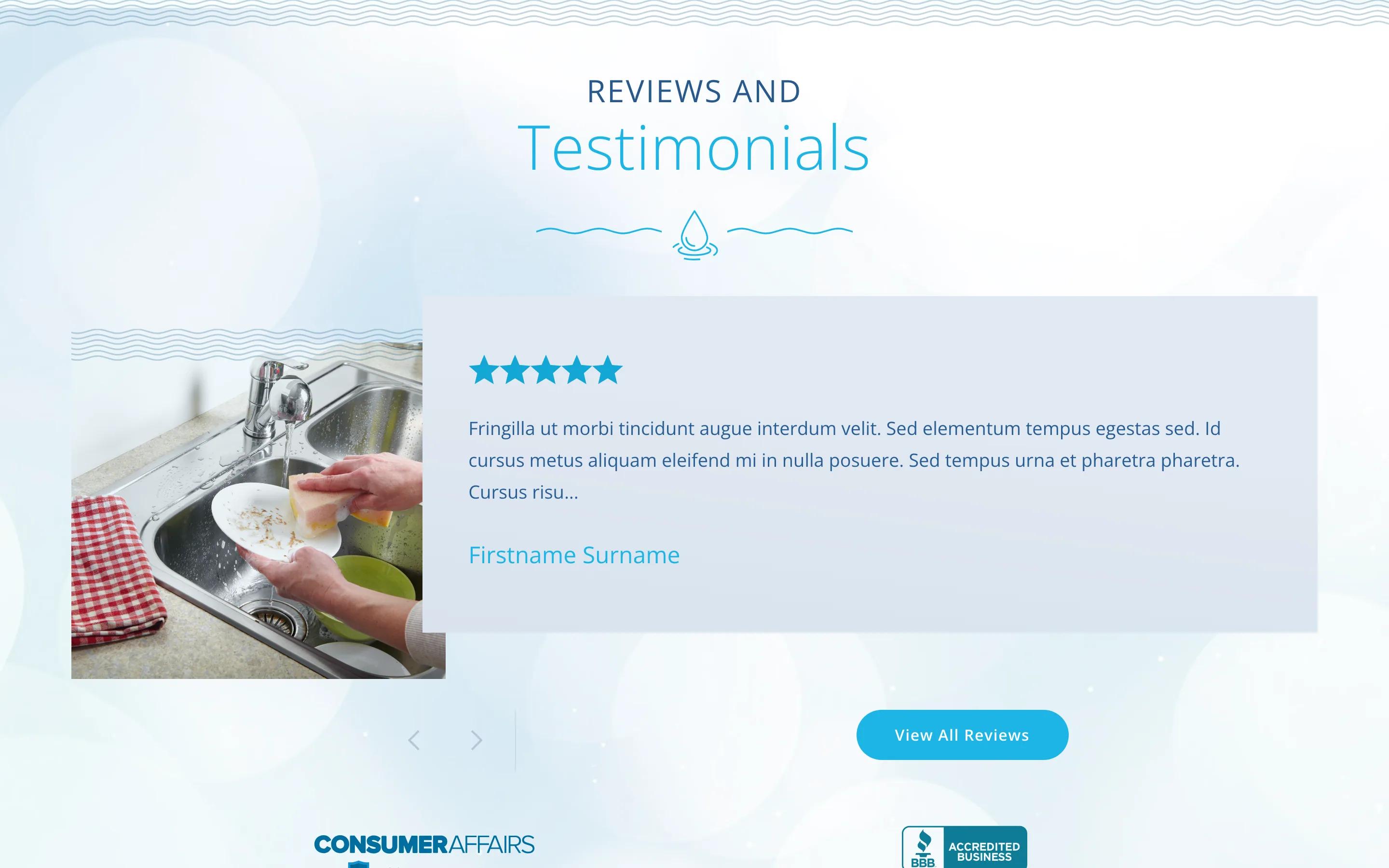
- Trust signals heavy — financing-partner badges, manufacturer-certification badges (Pella Certified Installer, James Hardie Elite Preferred, etc.), real before/afters with neighborhood specificity.
- Long-form service pages by product category (windows, doors, siding, decks) for SEO depth.
- Retargeting — the 4-12 week sales cycle means most visitors don't convert first visit. See retargeting for home services.
- Brand consistency across digital and physical (truck wraps, in-home consultation collateral, follow-up email).
The hidden lever
Home improvement contractors massively under-invest in their digital presence relative to the size of their average ticket. A $35K window job — most contractors will spend $200-$400 on ads to acquire it, but won't spend $20K on a website that converts the cold leads at 4% instead of 1%. The math is upside down. The smart owners flip it.
Financing as a conversion lever
For home improvement specifically, financing options are a major conversion lever. GreenSky, Synchrony, Service Finance Company — most home improvement contractors offer 0% APR for 12-24 months. Surfacing the financing prominently (calculator on the page, "as low as $X/mo" framing, financing-friendly CTAs) lifts conversion 20-40% on cold paid traffic. Most contractors hide the financing in a footnote. The ones who surface it convert better.
The certification stack
Manufacturer certifications are a trust signal that other home services verticals don't fully exploit. Pella Certified Installer. James Hardie Elite Preferred. Andersen Certified Contractor. Trex Pro Platinum. Whatever the certifications, surface them in the hero, in trust strips, on service pages, in ads, in email signatures. The certification IS the brand asset.
Pairs with the Lead-Generation Websites cluster and the Brand & Identity for Premium Clients cluster.
How I approach industry-specific engagements
My approach to vertical-specific work: keep the universal mechanics (Local SEO, lead-gen architecture, paid ads structure, brand identity discipline) and calibrate them to the vertical's specific buyer behavior, seasonal patterns, regulatory landscape, and competitive density. The mechanics don't change. The calibration changes everything. Most agencies sell either the generic playbook (which underperforms in every vertical) or the over-customized custom build (which costs too much and ships too slow). The middle path is universal-mechanics-plus-vertical-calibration, productized at three tiers so the cost scales appropriately with the engagement.
The clusters that connect every vertical: Local SEO for Contractors (universal), Lead-Generation Websites (universal), Paid Ads for Home Services (universal but calibrated for healthcare/regulated verticals), Brand & Identity for Premium Clients (more important for trust-driven verticals).
Want a second look at your site?
If you want a real teardown of how this plays on your actual site, send me your URL and I'll tell you exactly where this applies. The audit runs server-side, checks 19 specific signals across SEO, performance, mobile, and accessibility, and surfaces a score with prioritized fixes. No sales pitch attached — the score is yours either way, whether or not you ever talk to me.
If you'd rather talk it through with a real person, send me a note and we'll set up 30 minutes. I'll come prepared — I'll have already looked at your site before the call, and the conversation starts from what I see, not from a generic discovery script. The fastest way to know whether what's described above is the right next move for your specific situation.


