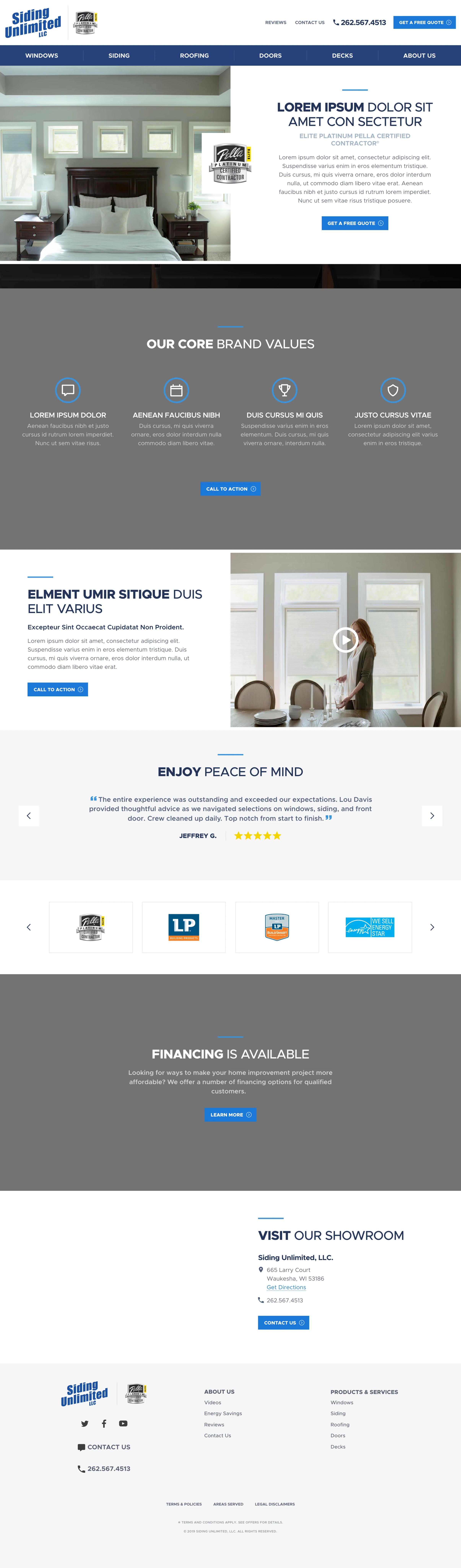
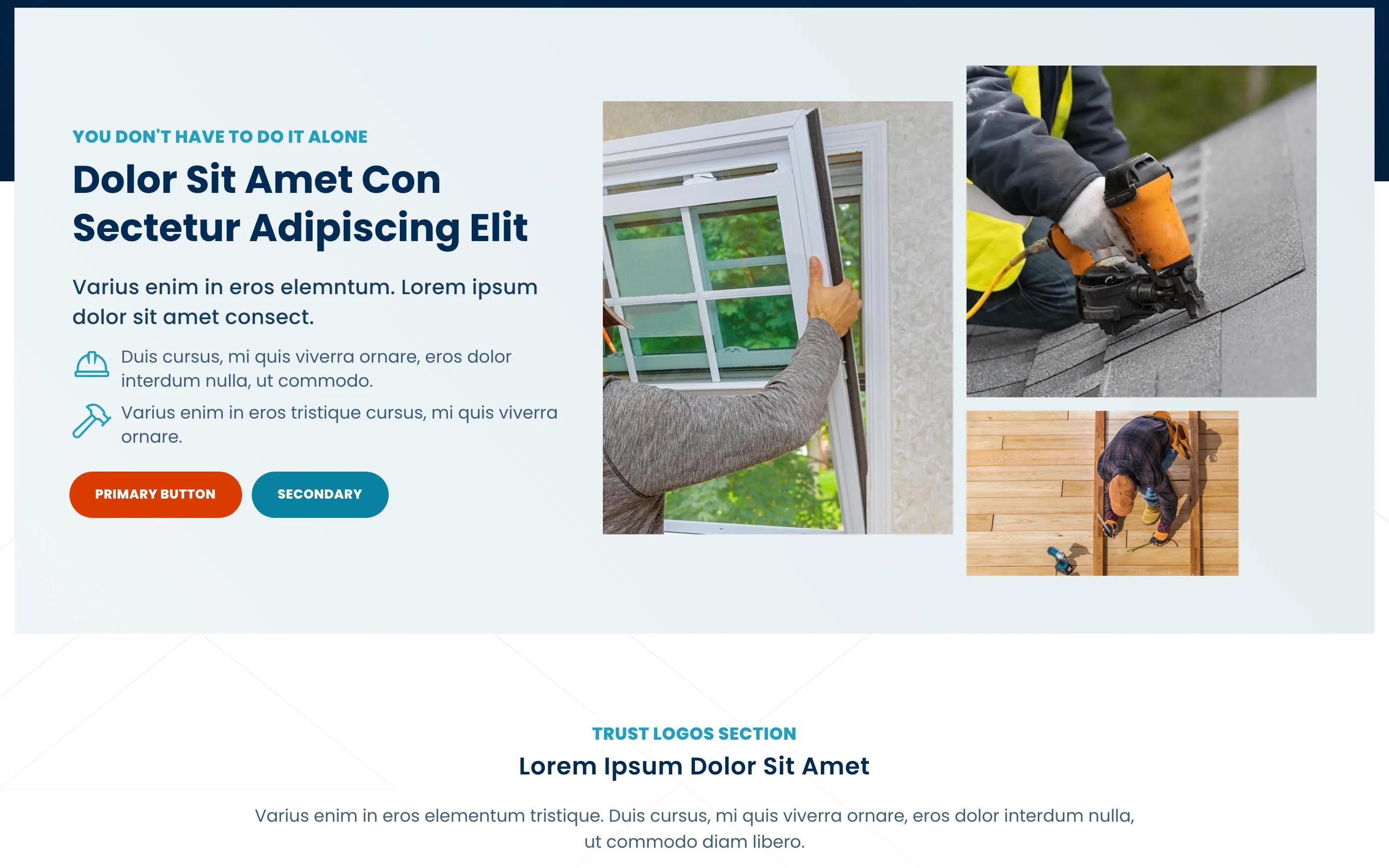
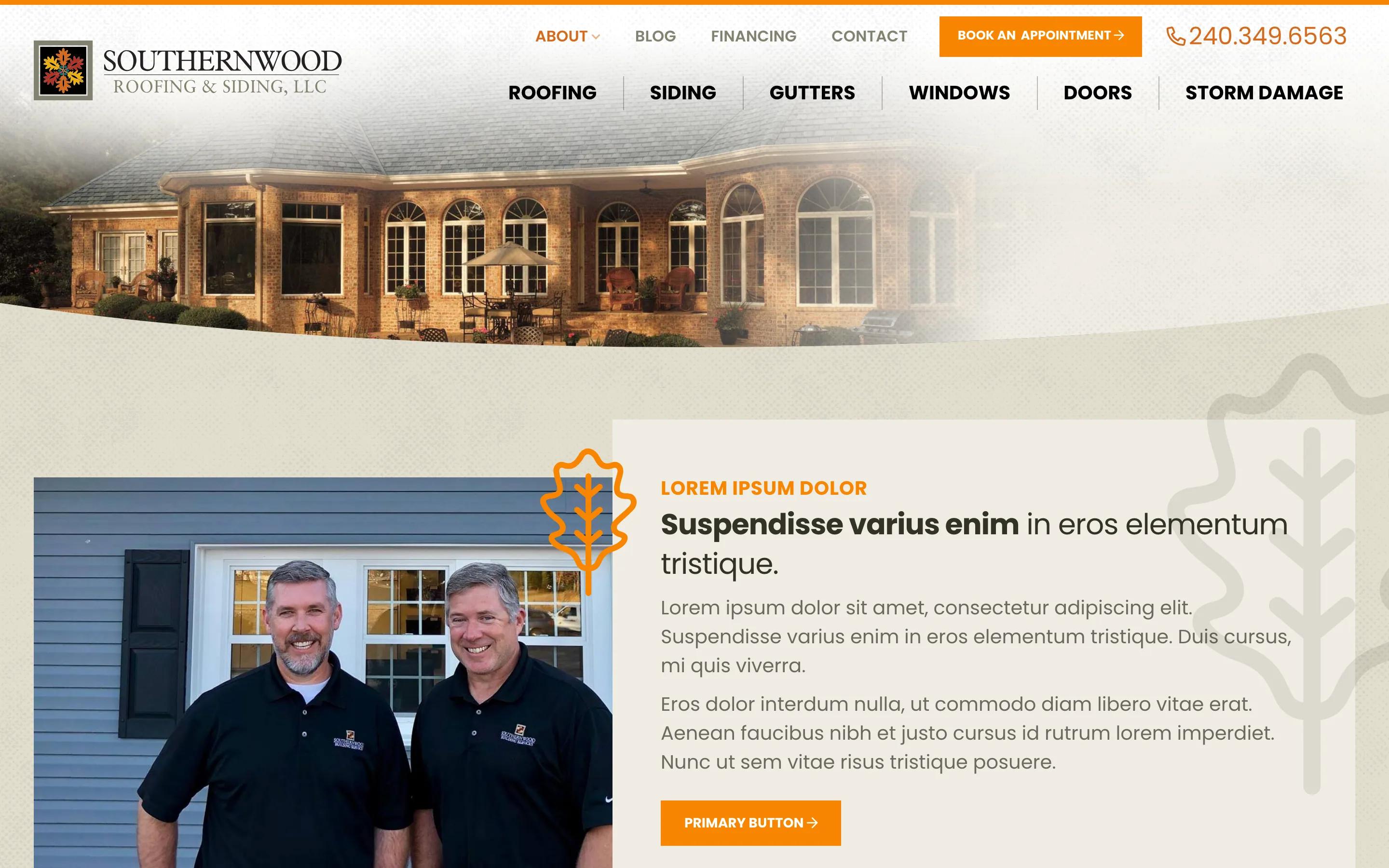
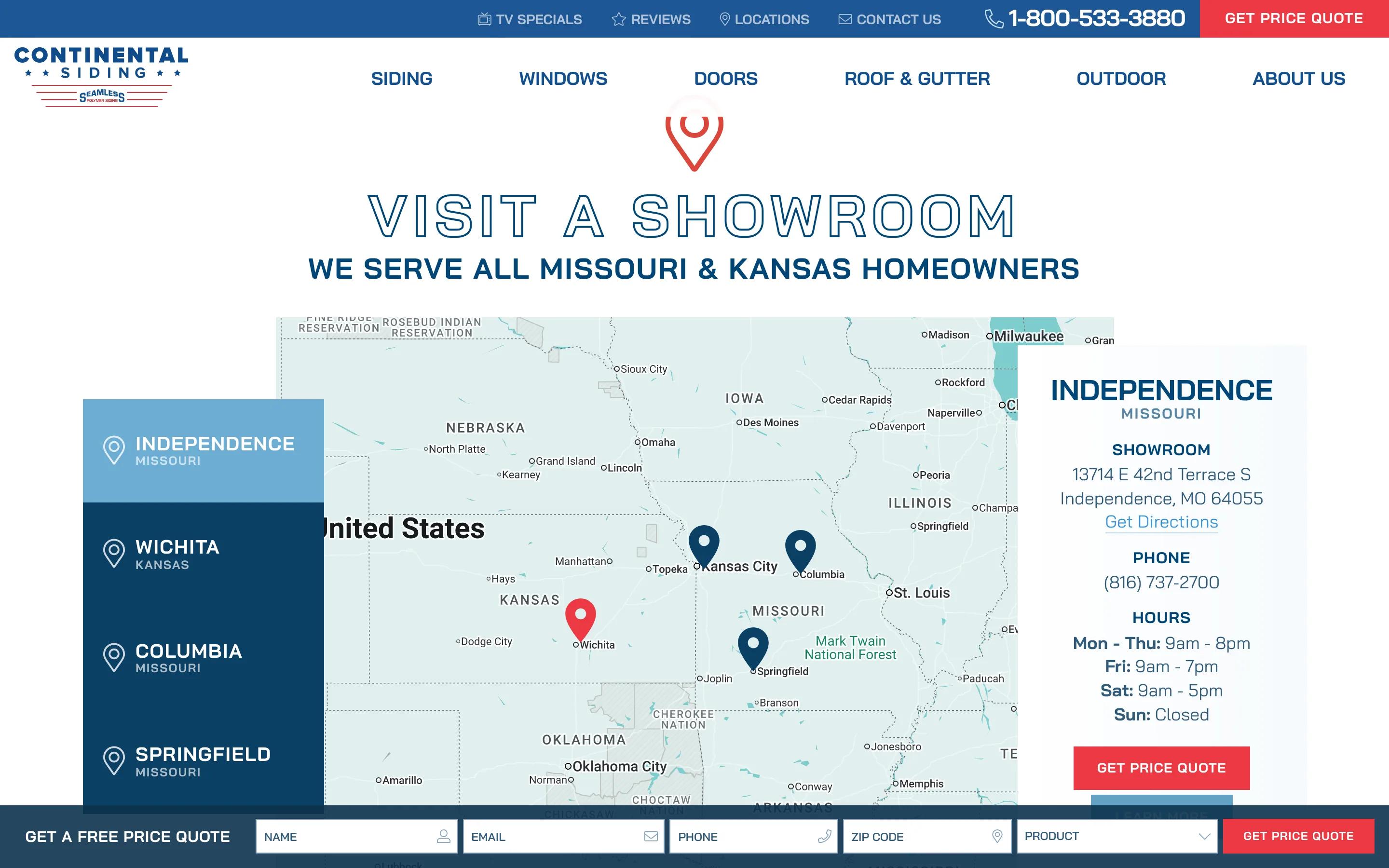

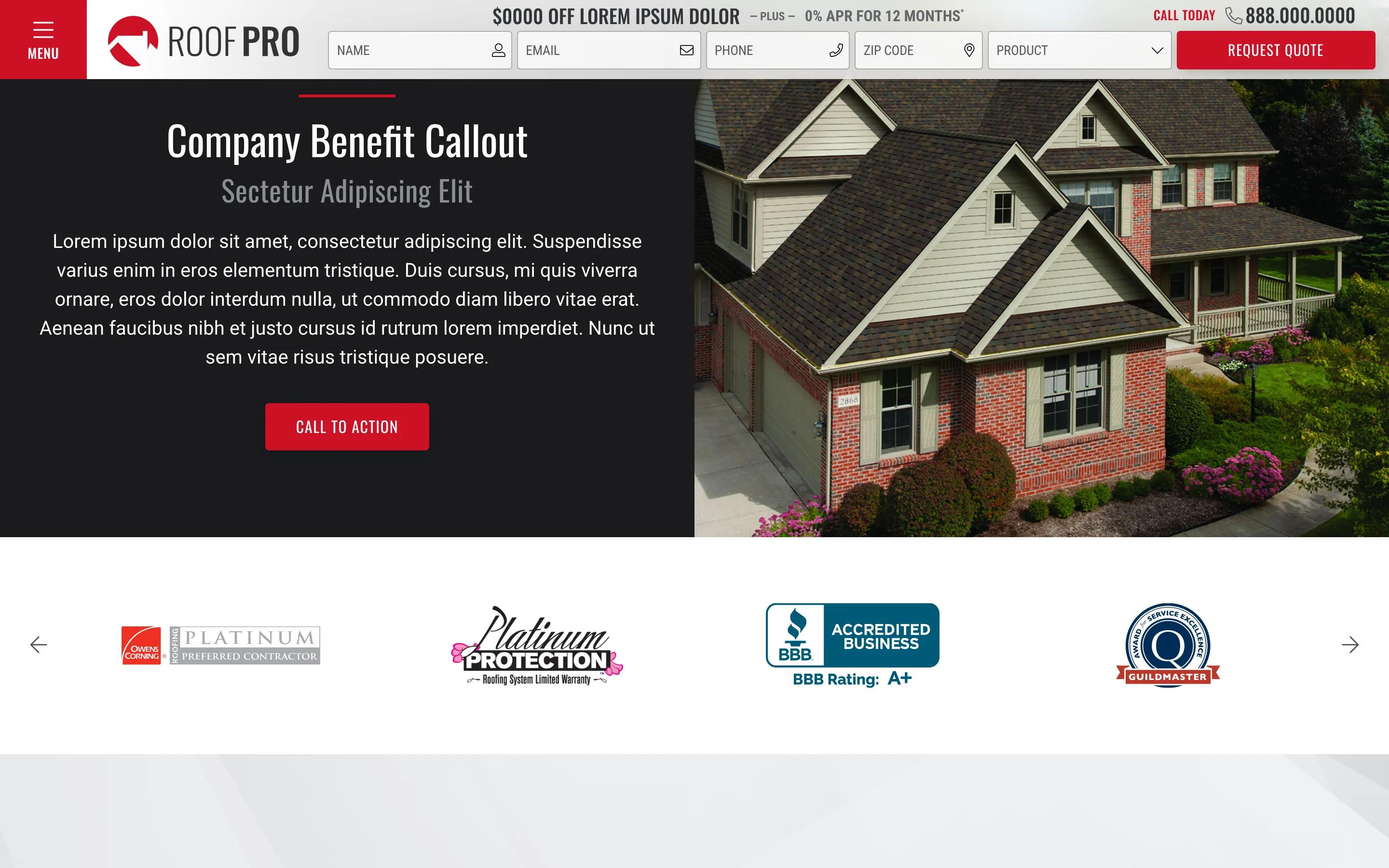
Roofing is the most fly-by-night-saturated and the most lucrative vertical in home services. After a hurricane or hailstorm, dozens of out-of-state operators show up with magnetic decals on rental trucks and start chasing insurance work. The established local roofer with 15 years in market gets squeezed by both the fly-by-nights and by the big-brand national networks running ads at scale.
The way out is brand-driven positioning. I worked on Pella, Renewal by Andersen, Sunrise Windows, and NEWPRO inside the agencies that build for that tier of contractor. I know exactly what's being sold to roofing and exteriors brands at agency tier — and what the actual delivery looks like. The opportunity for the independent roofer who positions premium is wide open in most markets.
What works in roofing marketing
- Storm response systems — pre-storm landing pages, post-storm rapid-deploy comms, hurricane prep content for FL markets. See hurricane prep for businesses.
- Insurance-vs-retail positioning — the insurance roofer and the retail roofer are different businesses. Pick one. Brand for it.
- Map-pack dominance — see map pack ranking.
- Review velocity at 100% post-job ask rate — see review velocity.
- Schema markup that surfaces insurance-friendly status, certifications, and warranty info — see local schema markup.
Who this is for
Marcus — the established contractor avatar. Specifically the roofing and exteriors variant. $4M business, plateaued, ready to fund the next leg of growth but burned out on agencies that don't deliver. Pairs with the Local SEO for Contractors cluster and the Paid Ads for Home Services cluster.
The math of premium roofing positioning
A typical residential roof replacement runs $12K-$45K depending on market and material. The average roofer in a competitive market spends $200-$500 in marketing to acquire a $20K job — that's a 1-2.5% marketing-to-revenue ratio. The premium-positioned roofer spends more like $800-$1,500 in marketing per acquired job and converts at 3-4x the close rate because the lead quality is dramatically better. Same revenue, fewer (better) leads, less labor in sales calls, higher margin per job. That's the math that justifies real investment in brand, site, and marketing infrastructure.
Real proof: I worked on Pella, Renewal by Andersen, Sunrise Windows, NEWPRO, Reeds Ferry Sheds, and MIR Homes — the contractor brands the templated agencies sell to. That's 15 years of agency-tier experience on the inside of the exact playbooks being sold to roofers across the country. The advantage I bring is knowing what the agencies are actually selling vs. what they're delivering — so the owners I work with don't pay agency-tier prices for templated-tier work.
How I approach industry-specific engagements
My approach to vertical-specific work: keep the universal mechanics (Local SEO, lead-gen architecture, paid ads structure, brand identity discipline) and calibrate them to the vertical's specific buyer behavior, seasonal patterns, regulatory landscape, and competitive density. The mechanics don't change. The calibration changes everything. Most agencies sell either the generic playbook (which underperforms in every vertical) or the over-customized custom build (which costs too much and ships too slow). The middle path is universal-mechanics-plus-vertical-calibration, productized at three tiers so the cost scales appropriately with the engagement.
The clusters that connect every vertical: Local SEO for Contractors (universal), Lead-Generation Websites (universal), Paid Ads for Home Services (universal but calibrated for healthcare/regulated verticals), Brand & Identity for Premium Clients (more important for trust-driven verticals).
Want a second look at your site?
If you want a real teardown of how this plays on your actual site, send me your URL and I'll tell you exactly where this applies. The audit runs server-side, checks 19 specific signals across SEO, performance, mobile, and accessibility, and surfaces a score with prioritized fixes. No sales pitch attached — the score is yours either way, whether or not you ever talk to me.
If you'd rather talk it through with a real person, send me a note and we'll set up 30 minutes. I'll come prepared — I'll have already looked at your site before the call, and the conversation starts from what I see, not from a generic discovery script. The fastest way to know whether what's described above is the right next move for your specific situation.


