
I was a wedding photographer before I was a designer-developer. That's not a fun fact — it's why I think about brand identity the way I do. A wedding day is a brand. The invitations, the typography, the color palette, the photography style, the way the couple writes their vows — all of it has to feel like the same human being. Brand identity for a service business is the same job at a different scale.
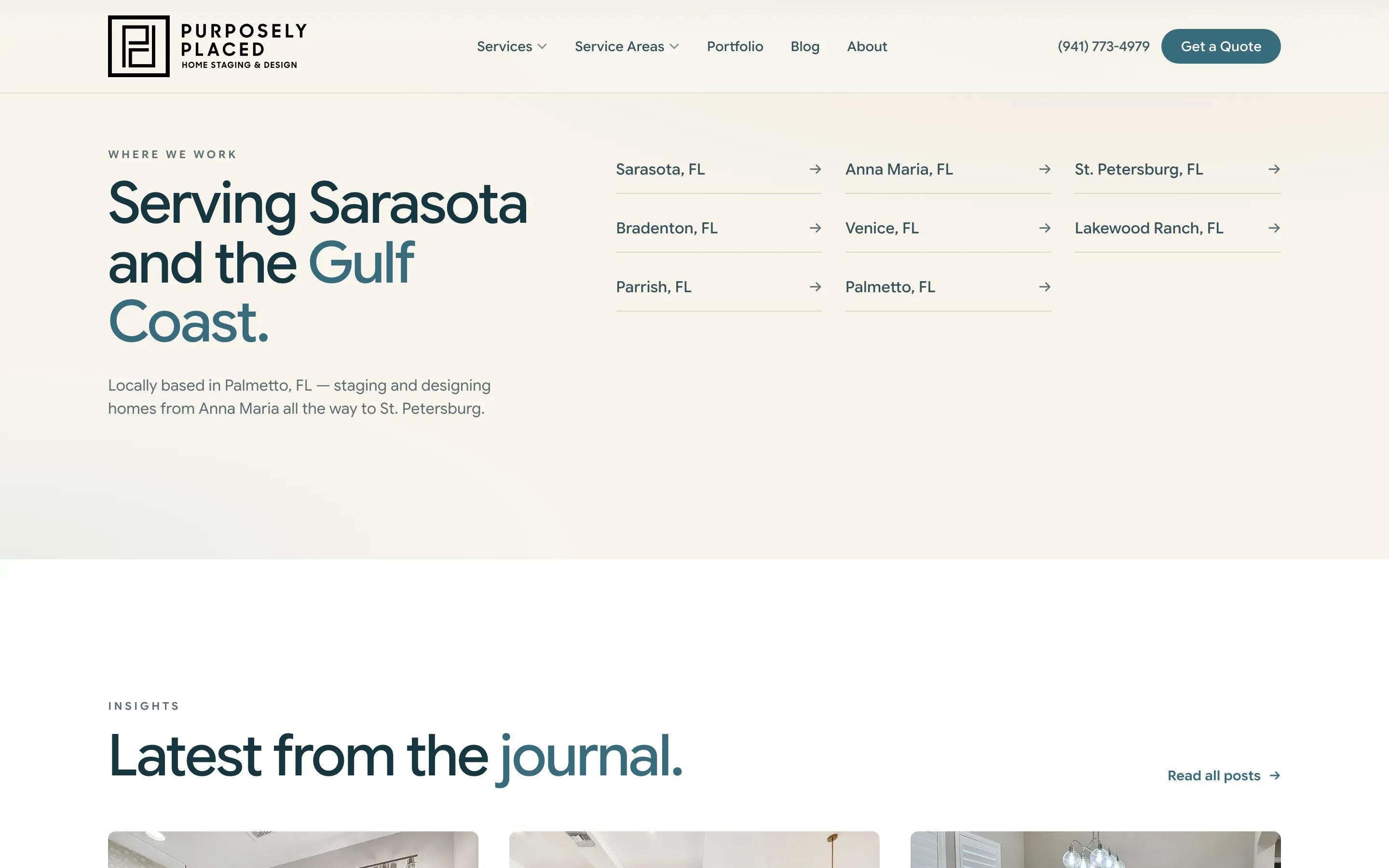
This cluster is for service businesses that have outgrown the DIY look and want to position themselves as the premium operator they actually are. Sarasota interior designers. Lakewood Ranch financial advisors. Established contractors who don't want to look like every other contractor on the page. Med spas, real estate teams, custom builders. The owners who know their work is premium and want the brand to finally match.
What's in this cluster
- Logo system design — not a logo, a system. Primary, secondary, monogram, wordmark, color variants.
- Brand positioning — premium vs. mass, niche vs. broad, local vs. national. The decision that shapes everything downstream.
- Visual identity guidelines — the doc that keeps a small team consistent across every touchpoint.
- Brand voice development — how the brand sounds when it writes. The part most service businesses skip.
- Typography for trust — the most-seen, least-noticed brand asset. Signals trust, premium, era, expertise.
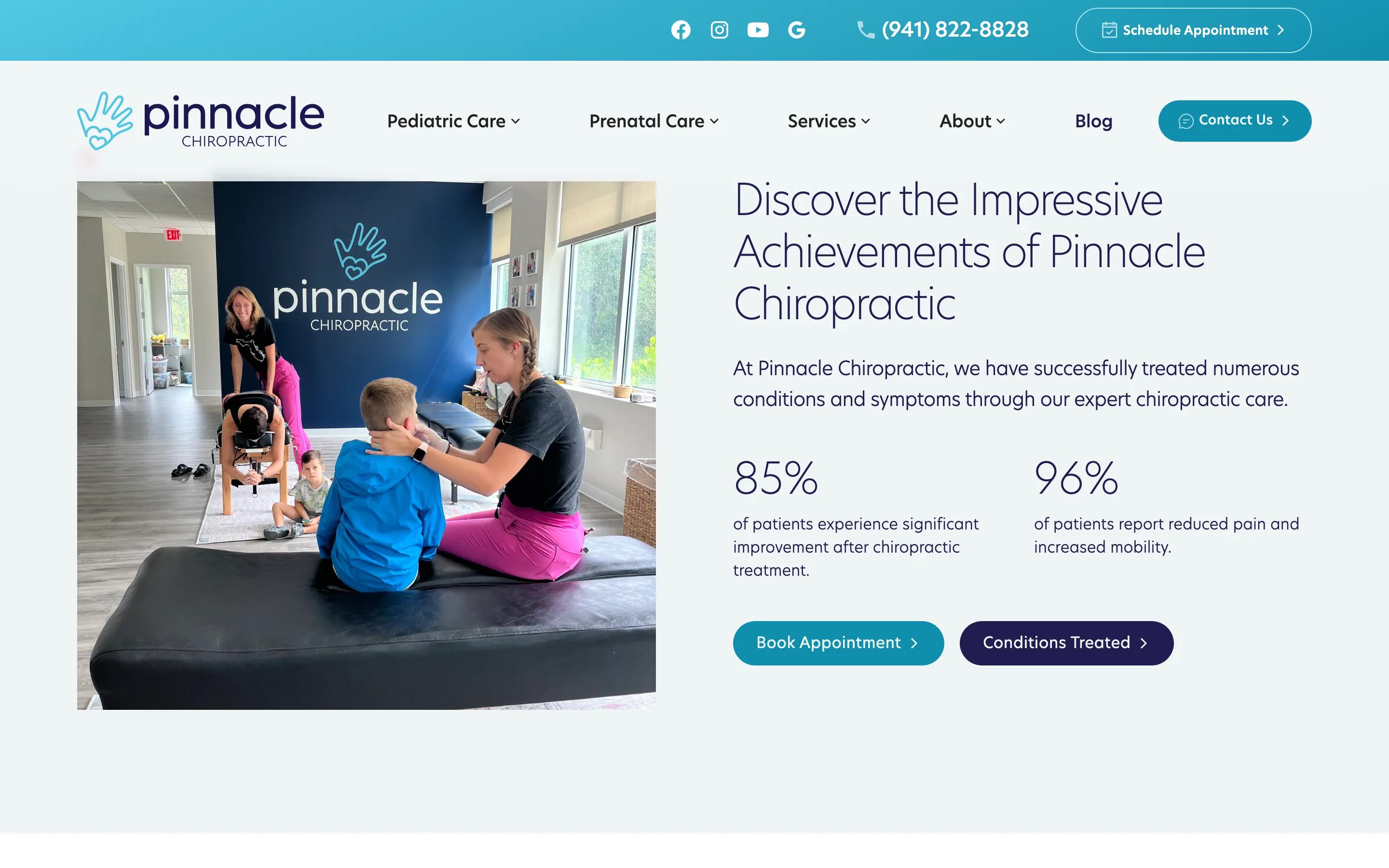
- Color psychology for services — why every chiropractor uses sage green, and how to break out of vertical color conformity.
- Brand touchpoint mapping — every place the brand shows up (website, ads, email, truck wrap, voicemail) — and how to keep it consistent.
Why premium positioning matters
Mid-market service businesses get squeezed from two sides. The cheap competitor underprices them. The big-brand competitor outspends them. The way out is up — position premium, charge premium, deliver premium. But that only works if the brand actually reads premium. A $50K kitchen remodeler with a Wix site that has a stock photo of a generic kitchen reads at the same trust level as the guy who'll do it for $20K. Brand identity is the part of the business that decides whether you get to charge what you're worth.
Pairs with Lead-Generation Websites (you need the brand to land somewhere) and the Sarasota & SW FL Local cluster (because a lot of premium-positioning work happens in markets where the local network is the buyer).
"Your brand is what people say about you when you're not in the room. Brand identity is the work of giving them better material to say."
The wedding-photographer arc, briefly
Before I was a designer-developer, I shot weddings. Fifteen years ago, the move was: see a moment, frame the moment, capture the moment. Brand identity is the same job at corporate scale. See what's actually true about the business. Frame it so the buyer recognizes themselves in it. Capture it across every touchpoint so the recognition compounds. That's the work. The aesthetic choices flow downstream from the strategic recognition.
How brand identity fits the rest of the funnel
Brand identity is the substrate that makes every other marketing investment compound. A weak brand makes great SEO content read as generic. A strong brand makes mediocre SEO content read as authoritative. A weak brand makes ads convert at 1.5%. A strong brand makes the same ads convert at 4%. Brand is the multiplier on every other layer of the marketing stack. The owners who invest in brand identity first see better returns on the SEO, ads, content, and conversion work they do later — because all of it sits on a stronger foundation.
Where brand identity work fits in the engagement
In a typical client engagement, brand identity work happens BEFORE web design and BEFORE marketing campaigns. The brand decisions inform the design decisions, which inform the copy decisions, which inform the ad creative decisions. Doing it in the right order matters — brand-first engagements take 2-4 weeks longer up front and save 2-4 months of rework downstream. The owners who try to skip the brand work and go straight to "build my website" end up rebuilding everything in 18 months once the brand catches up to the rest of the system.
Want a second look at your site?
If you want a second look at how this applies to your site — drop your URL into the free website audit and I'll tell you exactly where this applies. The audit runs server-side, checks 19 specific signals across SEO, performance, mobile, and accessibility, and surfaces a score with prioritized fixes. No sales pitch attached — the score is yours either way, whether or not you ever talk to me.
If you'd rather talk it through with a real person, send me a note and we'll set up 30 minutes. I'll come prepared — I'll have already looked at your site before the call, and the conversation starts from what I see, not from a generic discovery script. The fastest way to know whether what's described above is the right next move for your specific situation.