
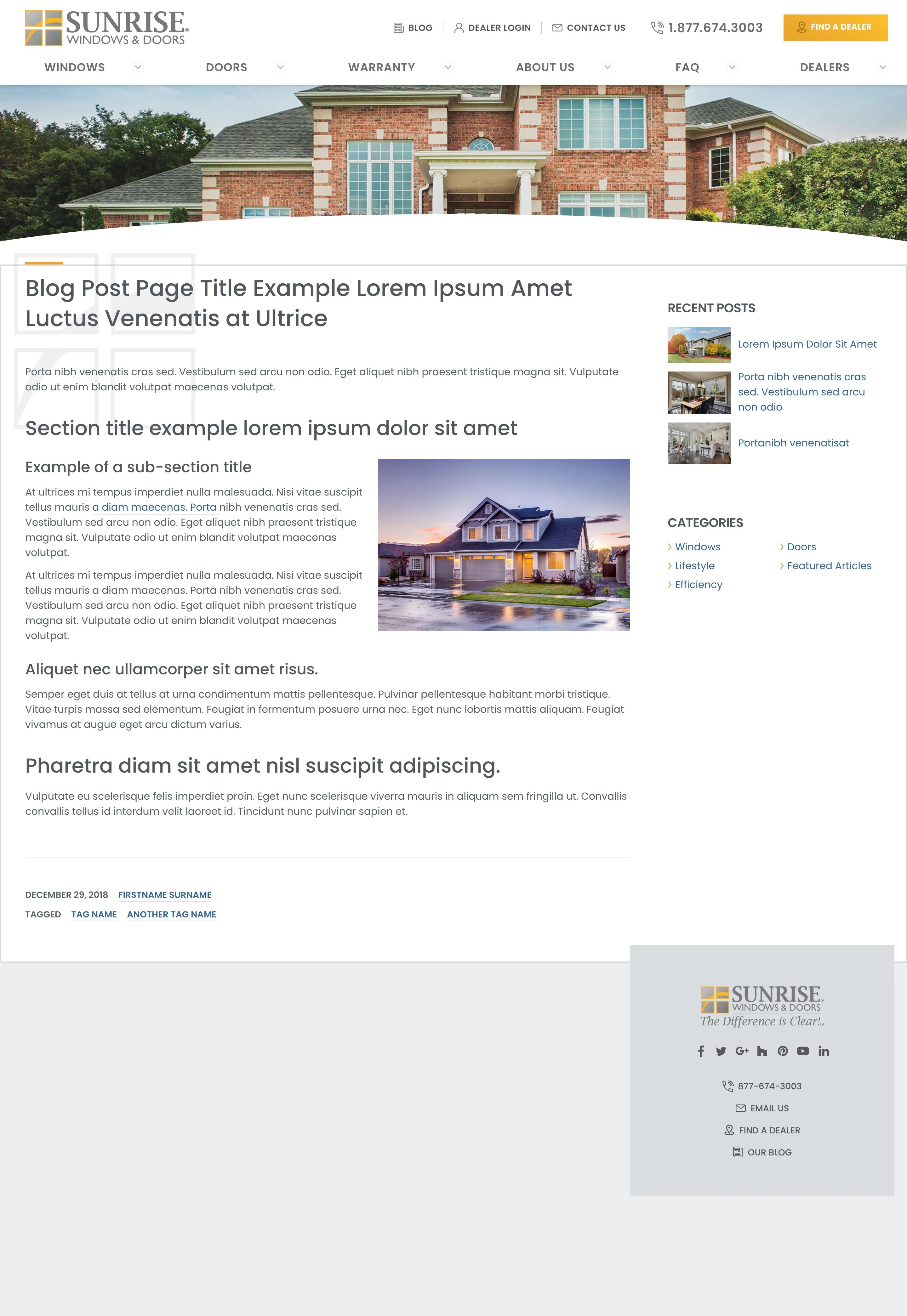
Manufacturing — including windows and doors manufacturers, specialty product manufacturers, contractor program manufacturers — is a B2B vertical with a dealer-locator-driven sales motion. The buyer (contractor, dealer, distributor) lands on the manufacturer's site to find a local rep, request a product spec sheet, or evaluate the contractor program. Then they call.
What manufacturer marketing needs
- Dealer locator — the highest-traffic page on most manufacturer sites. Must be fast, accurate, and mobile-friendly.
- Product spec architecture — every product has a deep page with specs, downloadable PDFs, certifications, warranty info.
- Contractor program portal — if the manufacturer runs a dealer program (Pella Certified, James Hardie Elite Preferred, etc.), the program enrollment + benefits page is critical.
- Co-marketing assets — most manufacturer business comes through contractor partners. The site has to serve the contractor partner's marketing needs too.
- Technical SEO depth — manufacturers compete for thousands of long-tail product queries.
The two-audience site
Manufacturer sites serve two audiences simultaneously: end consumers researching the product (homeowners, building owners) and channel partners (contractors, dealers, distributors) evaluating the relationship. The information architecture has to surface both paths from the homepage. Most manufacturer sites pick one audience and bury the other — that's a mistake. Real manufacturer marketing serves both audiences without compromising either experience.
Co-marketing assets are a force multiplier
Most of a manufacturer's downstream revenue comes through contractor or dealer partners. The site's secondary job is to MAKE THOSE PARTNERS SUCCESSFUL — co-marketing materials, dealer-locator integration, contractor-portal training, white-label marketing kits, ready-to-use ads. The manufacturers that build this layer well don't just sell more product; they create dealer loyalty that compounds.
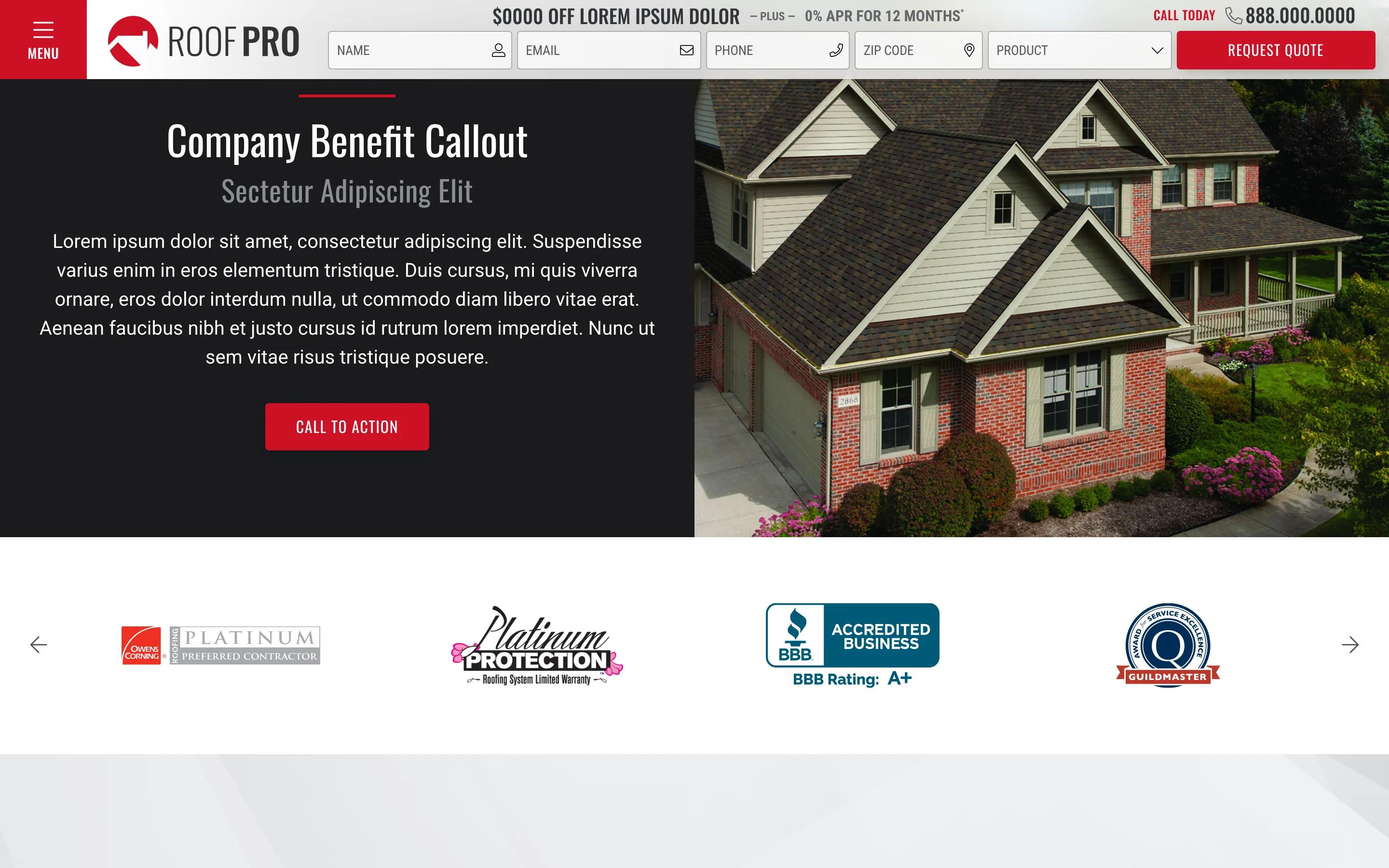
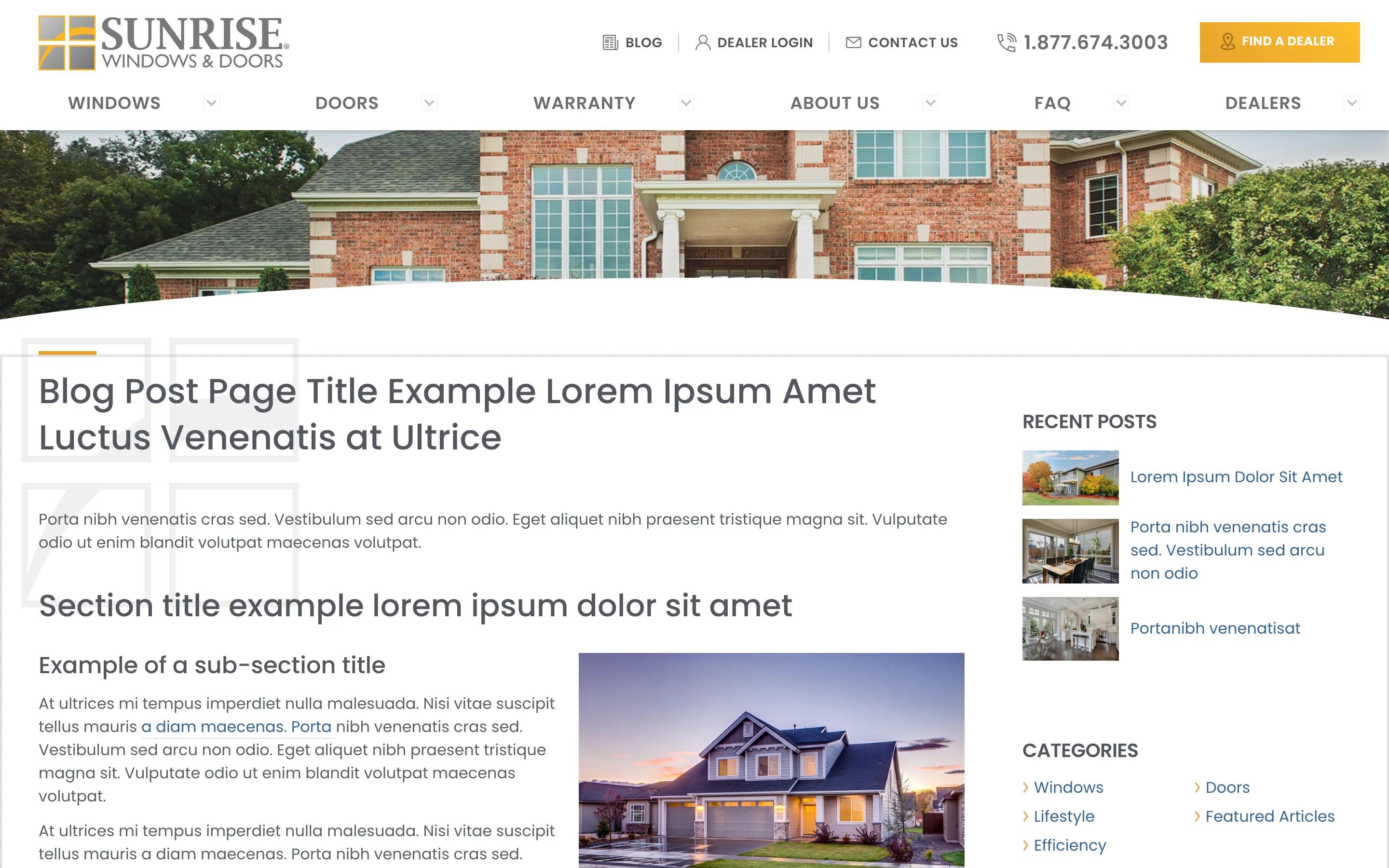
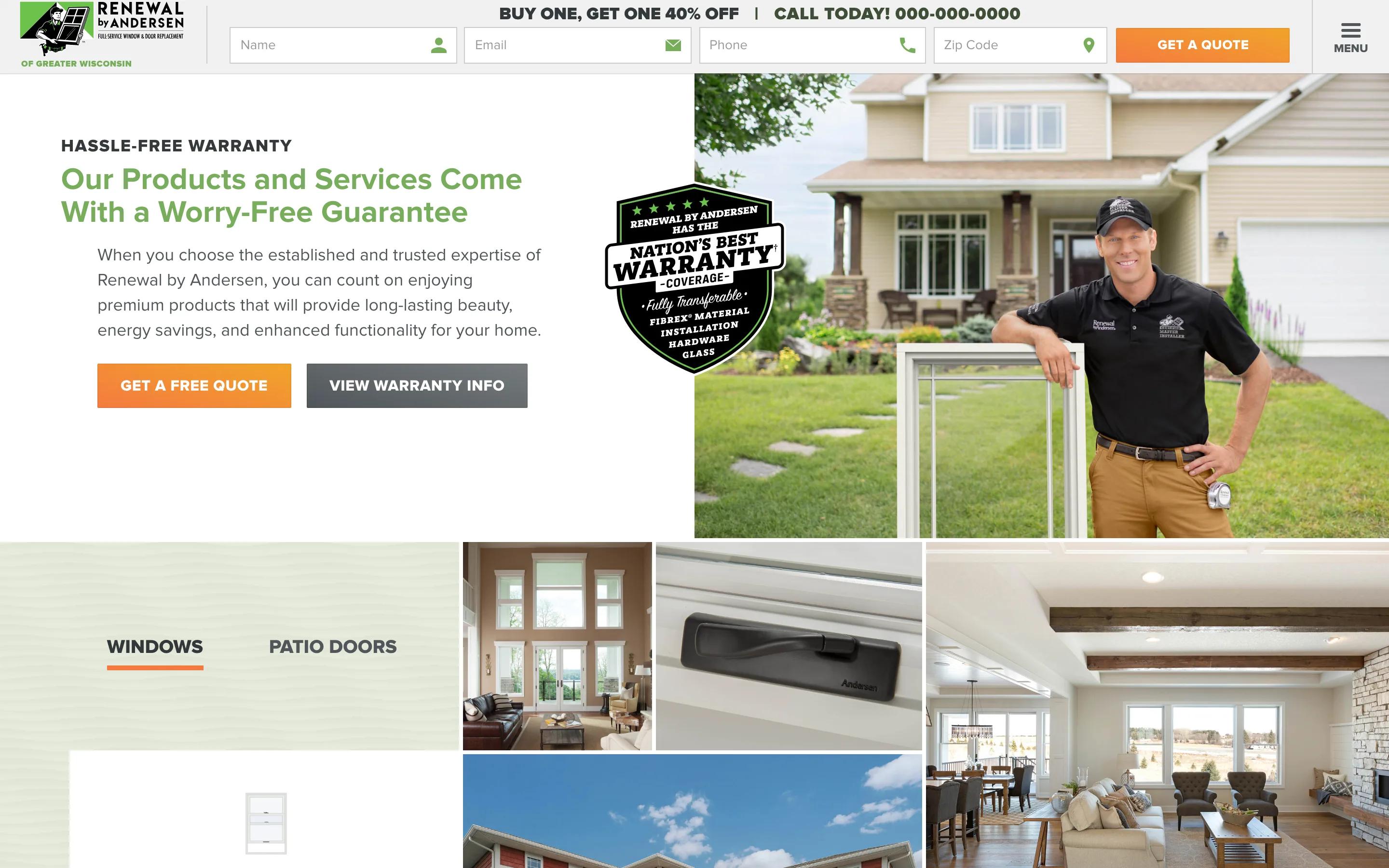
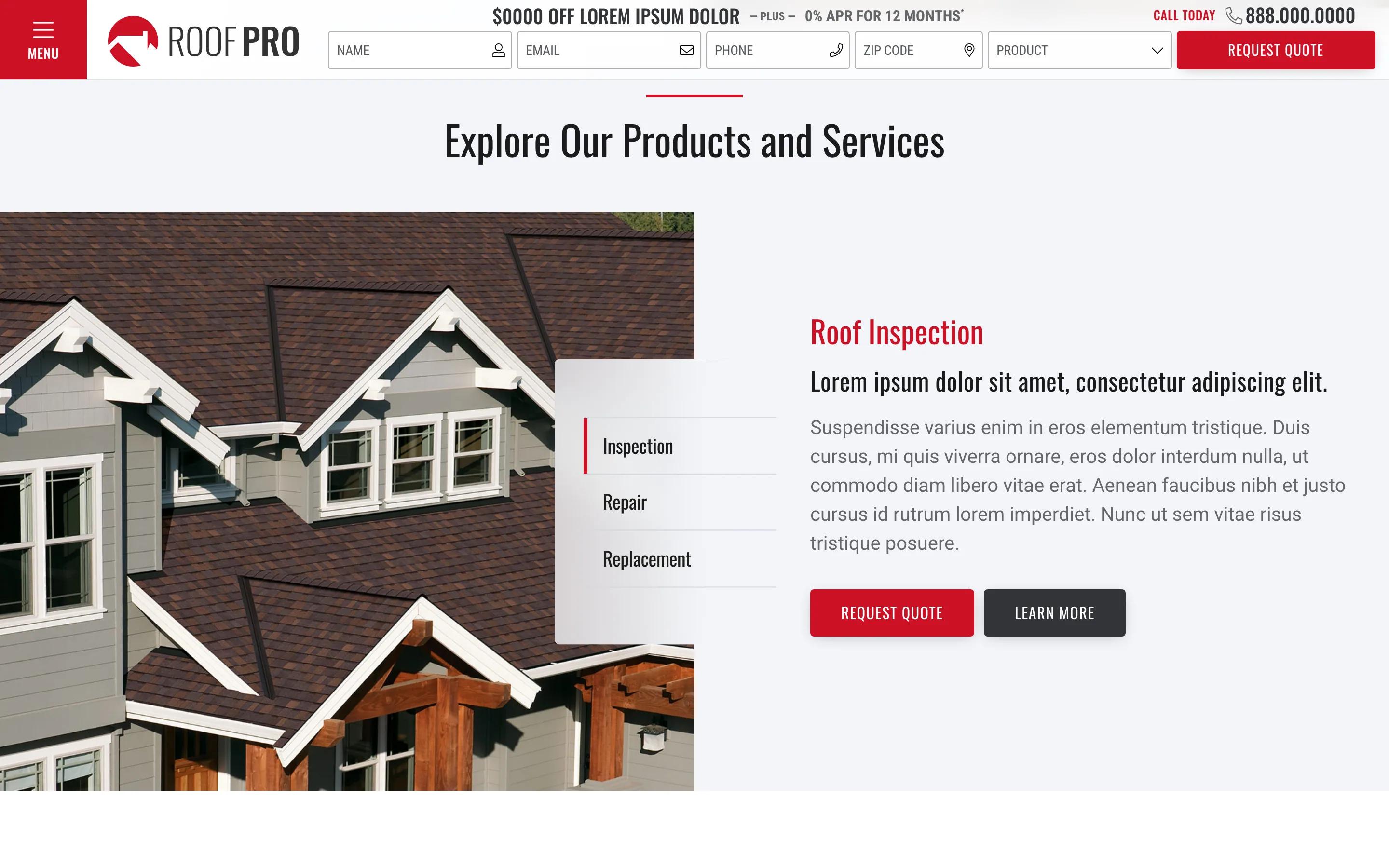
I shipped work for the contractor-program tier of manufacturers at agency level — Pella, Renewal by Andersen, Sunrise Windows. The B2B-with-B2C-downstream architecture is a specific skill set. Pairs with the Lead-Generation Websites cluster.
How I approach industry-specific engagements
My approach to vertical-specific work: keep the universal mechanics (Local SEO, lead-gen architecture, paid ads structure, brand identity discipline) and calibrate them to the vertical's specific buyer behavior, seasonal patterns, regulatory landscape, and competitive density. The mechanics don't change. The calibration changes everything. Most agencies sell either the generic playbook (which underperforms in every vertical) or the over-customized custom build (which costs too much and ships too slow). The middle path is universal-mechanics-plus-vertical-calibration, productized at three tiers so the cost scales appropriately with the engagement.
The clusters that connect every vertical: Local SEO for Contractors (universal), Lead-Generation Websites (universal), Paid Ads for Home Services (universal but calibrated for healthcare/regulated verticals), Brand & Identity for Premium Clients (more important for trust-driven verticals).
Want a second look at your site?
If you want a real teardown of how this plays on your actual site, send me your URL and I'll tell you exactly where this applies. The audit runs server-side, checks 19 specific signals across SEO, performance, mobile, and accessibility, and surfaces a score with prioritized fixes. No sales pitch attached — the score is yours either way, whether or not you ever talk to me.
If you'd rather talk it through with a real person, send me a note and we'll set up 30 minutes. I'll come prepared — I'll have already looked at your site before the call, and the conversation starts from what I see, not from a generic discovery script. The fastest way to know whether what's described above is the right next move for your specific situation.


